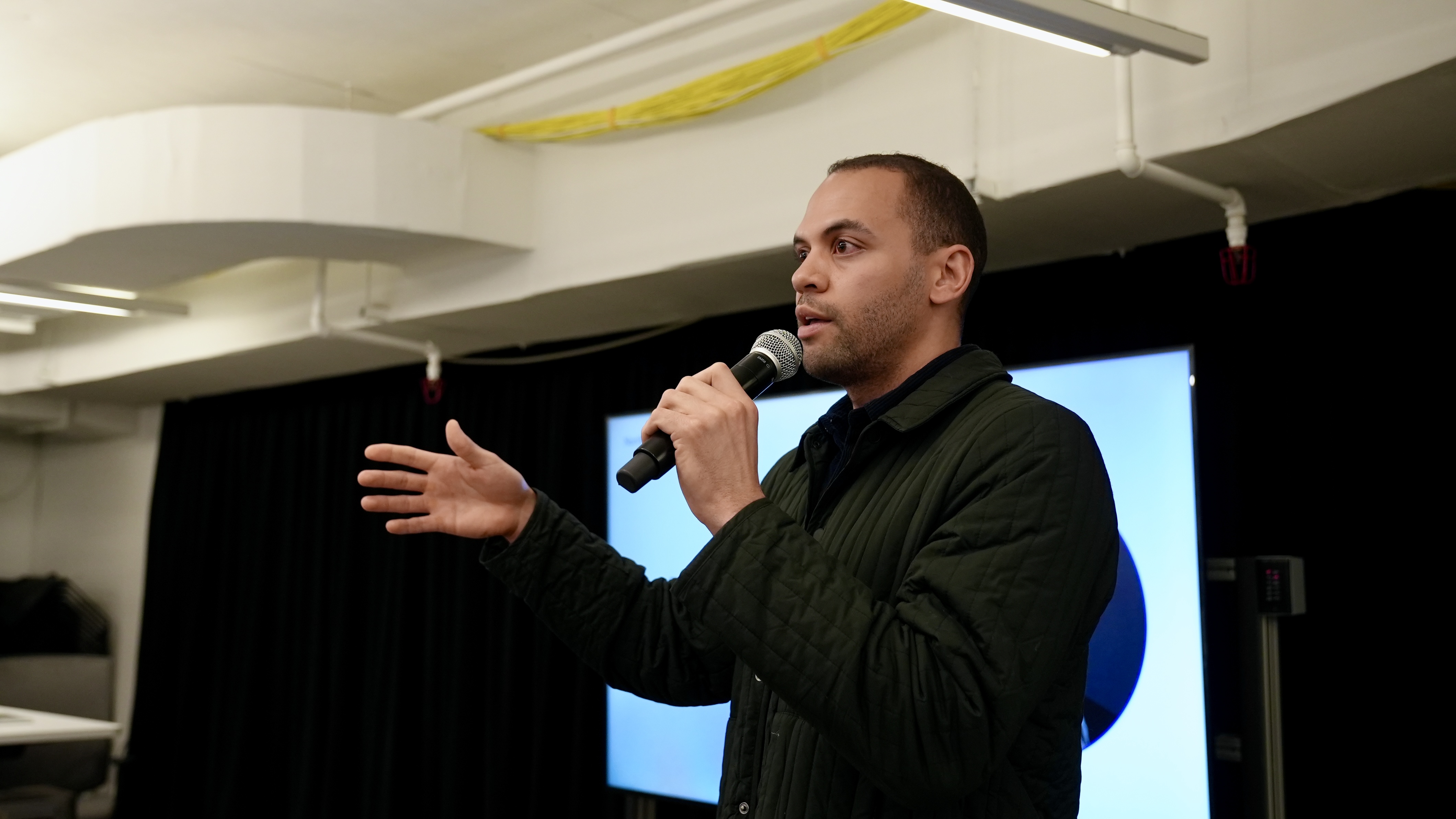
Venture capitalist and Upsie founder Clarence Bethea is no stranger to failure. He had no formal background before launching his first company, and received 153 no’s from investors before his first official yes.
He’s also no stranger to success; Bethea raised over $30 million for his tech insurance company Upsie, exited after getting Upsie acquired, and launched his course “What VCs Won’t Say” to help founders find their own success.
After becoming a venture capitalist at True Ventures, Bethea founded “What VCs Won’t Say” after witnessing firsthand the “backroom” conversation investors would have about founders. Not only that, but these investors would never tell founders why they weren’t chosen, leaving them in the dark.
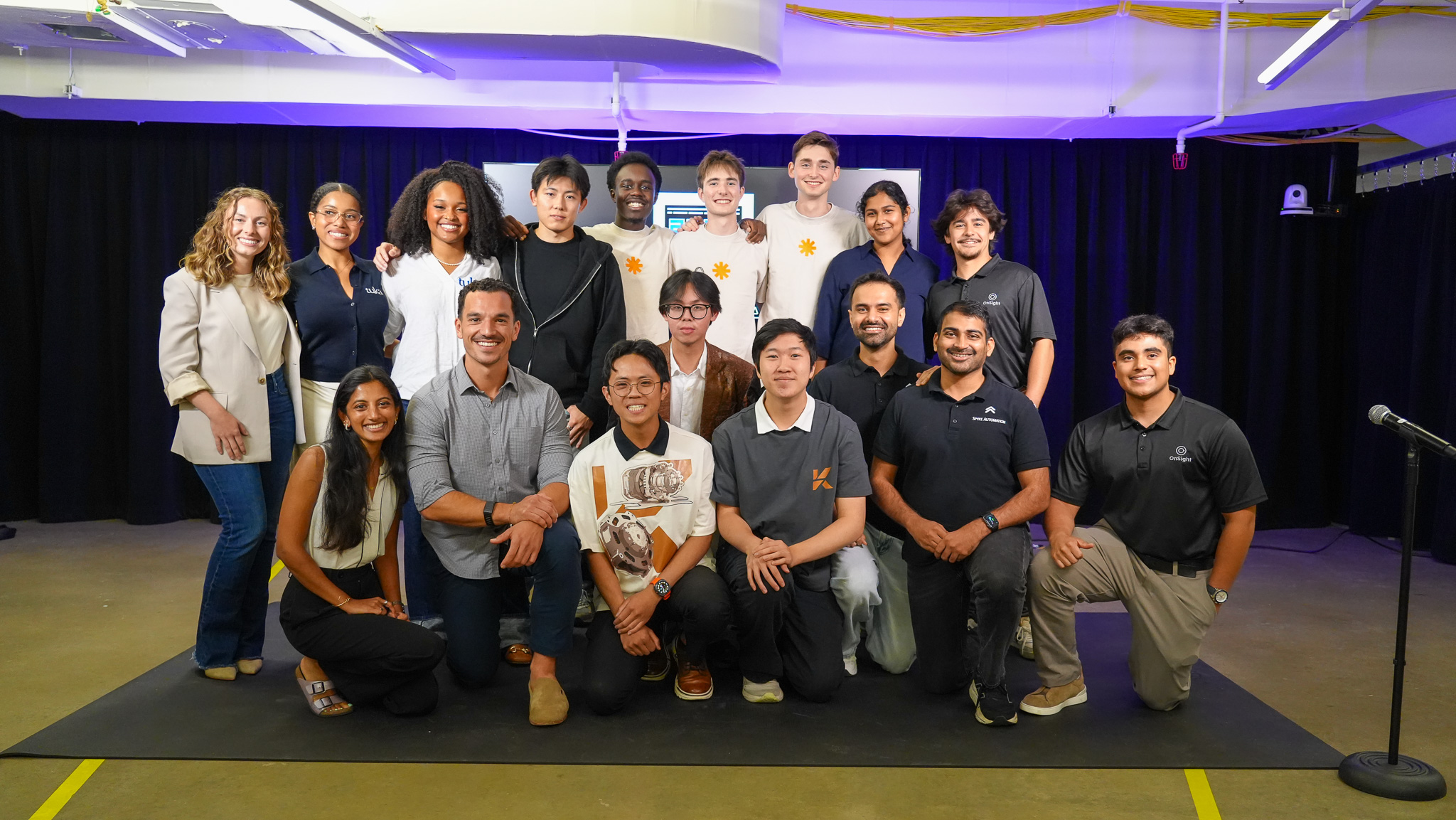
This week, Clarence shared his industry knowledge with The Garage’s Jumpstart cohort. He boiled it down to a few key points.
Startups fail because of egos
The number one reason why startups fail, according to Bethea, is ego. Believing that a product is perfect, refusing to listen to customers, and refusing to budge on bad ideas all stem from a founder’s ego getting in the way. To have a successful startup, founders must be able to balance their own ideas with others' and balance taking charge with listening.
While building Upsie, Bethea recalled standing outside of Best Buy with a notepad and pen, asking 1500 customers what they thought of tech warranties. He was with customers every step of the way, solving their problems instead of listening to himself.
“In order to understand the problem that you’re trying to solve for your customer, you have to be that fanatical about what your customers’ needs are and not yours,” Bethea said.
However, one must not confuse ego with confidence. Confidence is key when balanced with a sense of humility.
“If you’re going to build a company and not think you’re building the greatest thing ever, what are you doing this for?” Bethea said. “Having a healthy level of delusion is important, but when you’re trying to raise capital, you have to have confidence and humility both walk in your room at the same time.”
Ace that first meeting
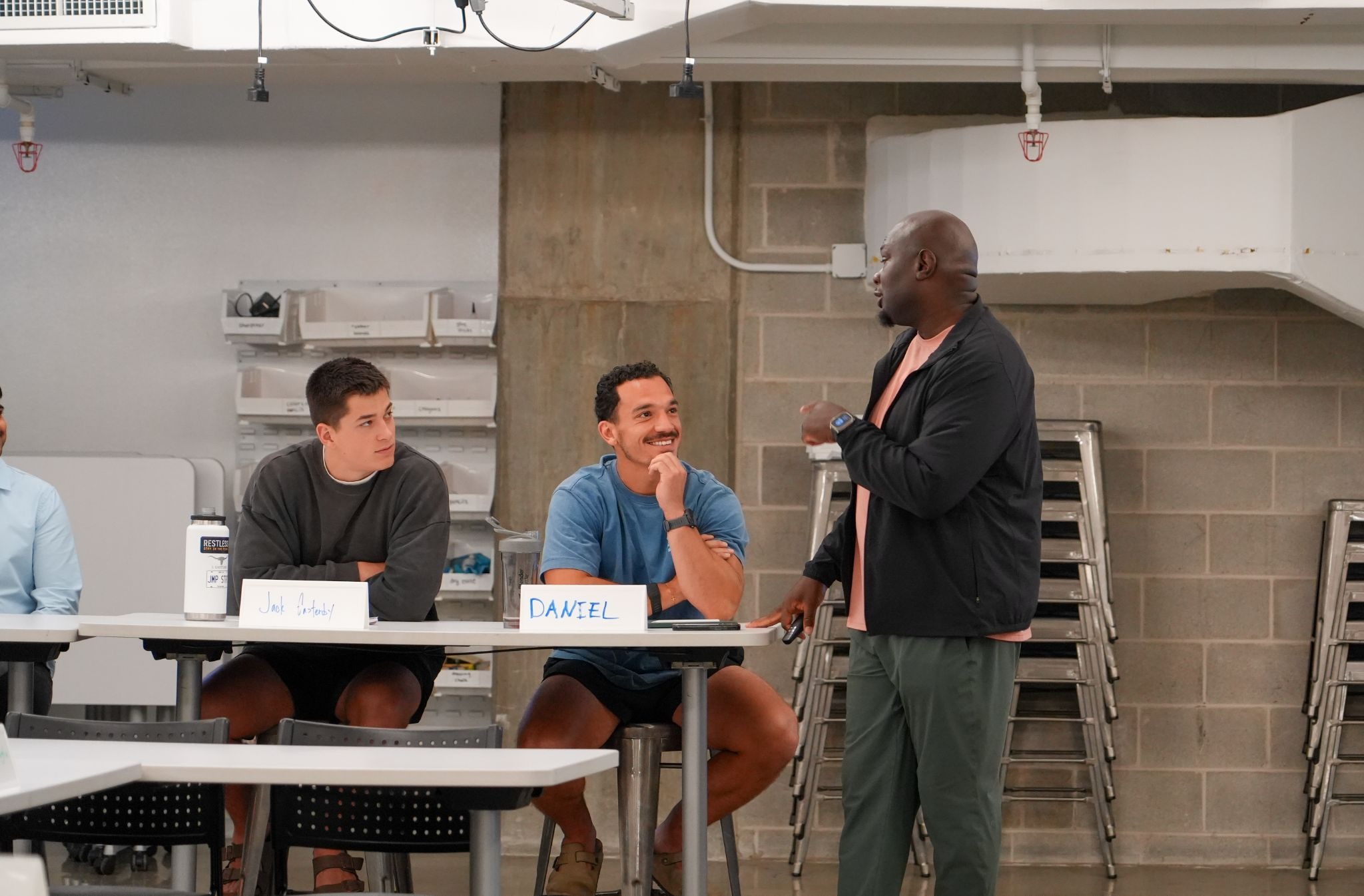
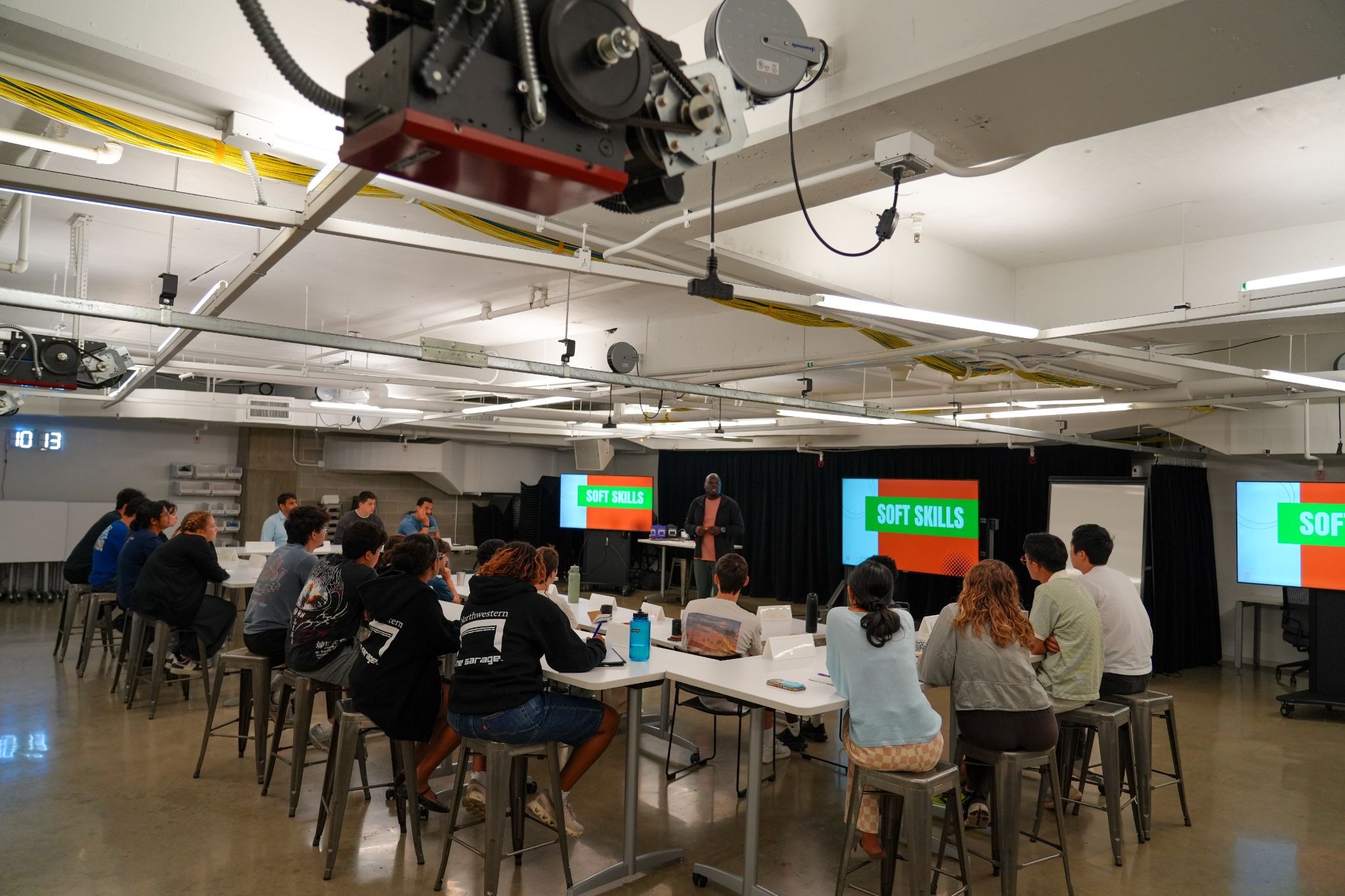
“What makes you special versus the other 999 that we want to see?” Bethea said. “Most of the time, it's the soft skills.”
The point of the first meeting is not to sell your product, but to find common ground.
According to Bethea, it is essential to research investors before pitching to them. Even a quick 15-minute Google search can help before that first meeting. By making others feel important, founders stand out and are more likable in the investor’s eyes.
“Your first meeting is not to get money; it’s to get a second meeting,” Bethea said. “You are trying to make sure that people understand who you are.”
Storytelling is key
No matter what data the other startups had, Bethea beat hundreds of other companies by weaving stories into his business.
“There’s a bunch of other companies who have better numbers than I do,” Bethea said. “There’s a bunch of companies who have better retention than I do, but nobody’s going to tell a better story than I am.”
Bethea emphasized the importance of making other people the main character of the story. By making the story relatable and focused on investors, founders can show the problem instead of telling it.
“98% of founders are terrible at storytelling because they think the story is about them, and the story is never about them,” Bethea said. “How do I make this person in front of me feel like the story is about them?”
Also, cut the jargon; Bethea says that even a fourth grader should be able to understand the startup’s ideas. By making ideas understandable, it’s easy for investors who heard the original pitch to get it, and it’s even easier to share the startup’s story with others.
Test, iterate, learn
Bethea repeated three words: test, iterate, and learn. This “magical phrase” has given the entrepreneur plenty of opportunities that would have never been possible otherwise.
When confronted with failure, most founders turn to anger or denial rather than asking the investor why they weren’t chosen. Bethea says the few that do reach out and ask for honest feedback find a high reward.
“If you just take initiative, do that extra step that feels uncomfortable, a lot of times you will get good results,” Bethea said.
And when an investor finally puts money in, using these three steps will guarantee success. Taking steps like testing the product, gathering customer reviews, making small edits, and learning lessons for the next version shows the investor that not only will the money be used efficiently but also effectively.
Be yourself
Bethea shared an intimate moment from his own fundraising journey. He once cried in front of an investor in a meeting. The emotional moment set him apart from the other founders, and the investor gave him one million dollars in return.
“He was like, ‘That was the most authentic meeting I’ve ever had in 20 years of doing this,’” Bethea said. “You just got to be yourself.”
Investors like Bethea want to see organic authenticity, not scripted superficiality.
Looking at the Jumpstart cohort before him, Bethea emphasized their importance as promising young founders.
“The number one most important part in this whole equation is you,” Bethea said. “It ain’t your business. It ain’t your slide deck. It ain’t your unit economics.”

Grace Wang ‘29 is a journalism and economics major from Palatine, Illinois. She is a student aide at The Garage who helps with event coverage, operations, and design.

2311 Campus Drive Suite 2300
Evanston, IL 60208
.png)