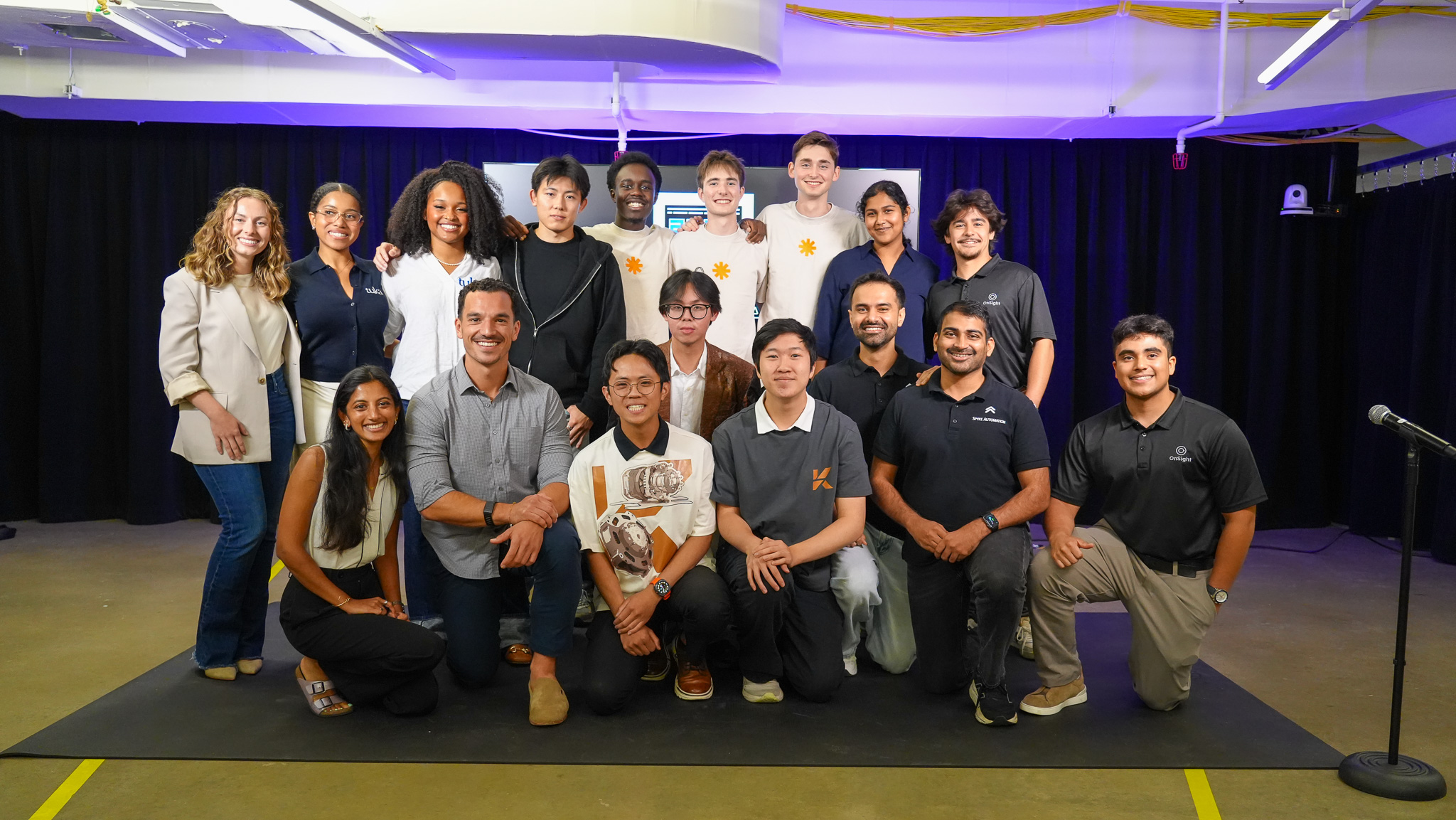
Insurance policy is made up of clumsy, antiquated paper processes. Ten employees, seven figures of revenue, two venture capital rounds, and one product later, Qumis has brought insurance workflows into the future.
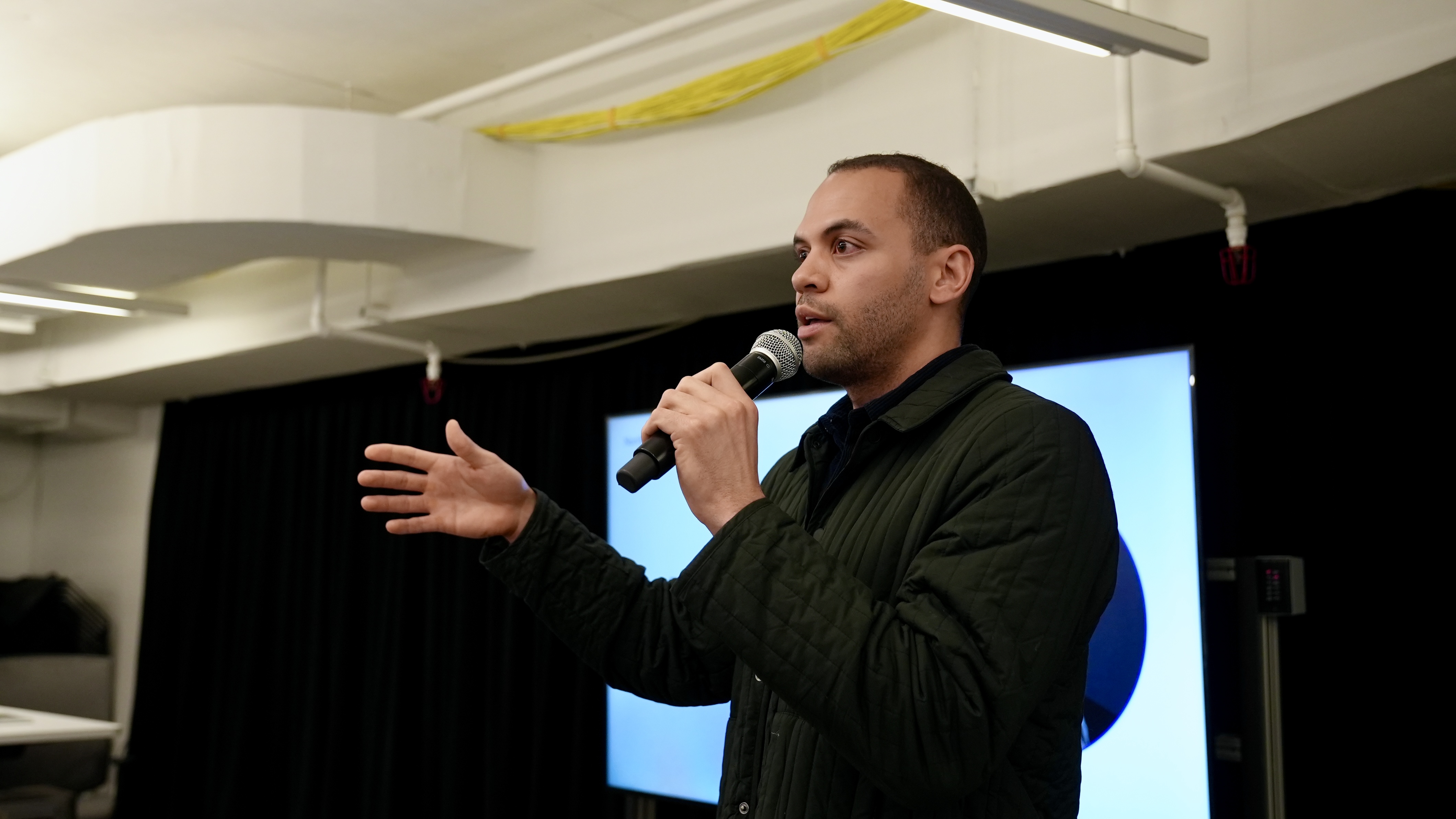
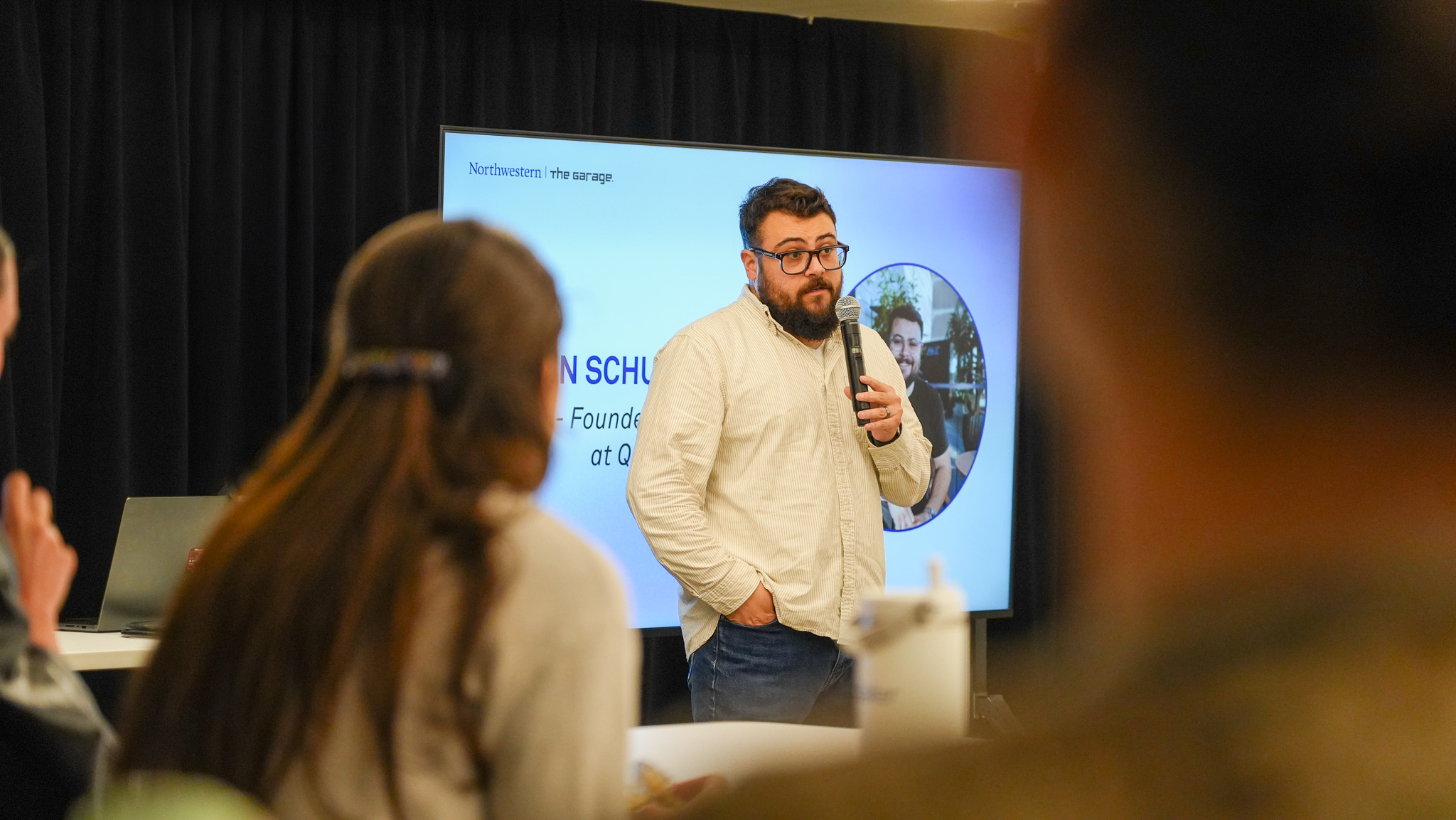
Northwestern alum Dan Schuleman spoke with Residents at The Garage about his journey from insurance lawyer to Qumis co-founder.
“When ChatGPT came out in 2022, I put an insurance policy into ChatGPT and started asking it the questions a lawyer would, and the results were really bad,” Schuleman said. “I thought, ‘I could do better here,’ because I actually have a system that works well with insurance policies, and there are a whole lot of people out there who would be interested.”
Qumis began “scrappily,” Schuleman said, though it stayed focused without major pivots or challenges.
“I didn't pay myself for the first year. Investor number one is sitting over there: my wife,” Schuleman said. “None of this would have been possible without her support that first year. In year two, I paid myself $50,000. It wasn't glamorous.”
As a lawyer, Schuleman experienced insurance policy problems firsthand, giving him a “strong, opinionated vision” for Qumis’ product and market fit. Qumis now works with some of the world’s top brokerages to modernize workflows.
Even the most advanced AI models fail to process the 3,000 page documents required by the insurance industry, Schuleman said. As an AI platform for insurance advisory, it goes beyond the rudimentary abilities of existing chatbots to analyze contracts, claims, and policies.
“Say there's a puddle here, and there's no sign that says ‘slippery,’” Schuleman said. “Someone slips and falls, breaks their leg and sues for a million bucks. Someone needs to look at the facts of that claim and compare them against the insurance policy to see if it's covered. That's step one, and we help them do that.”
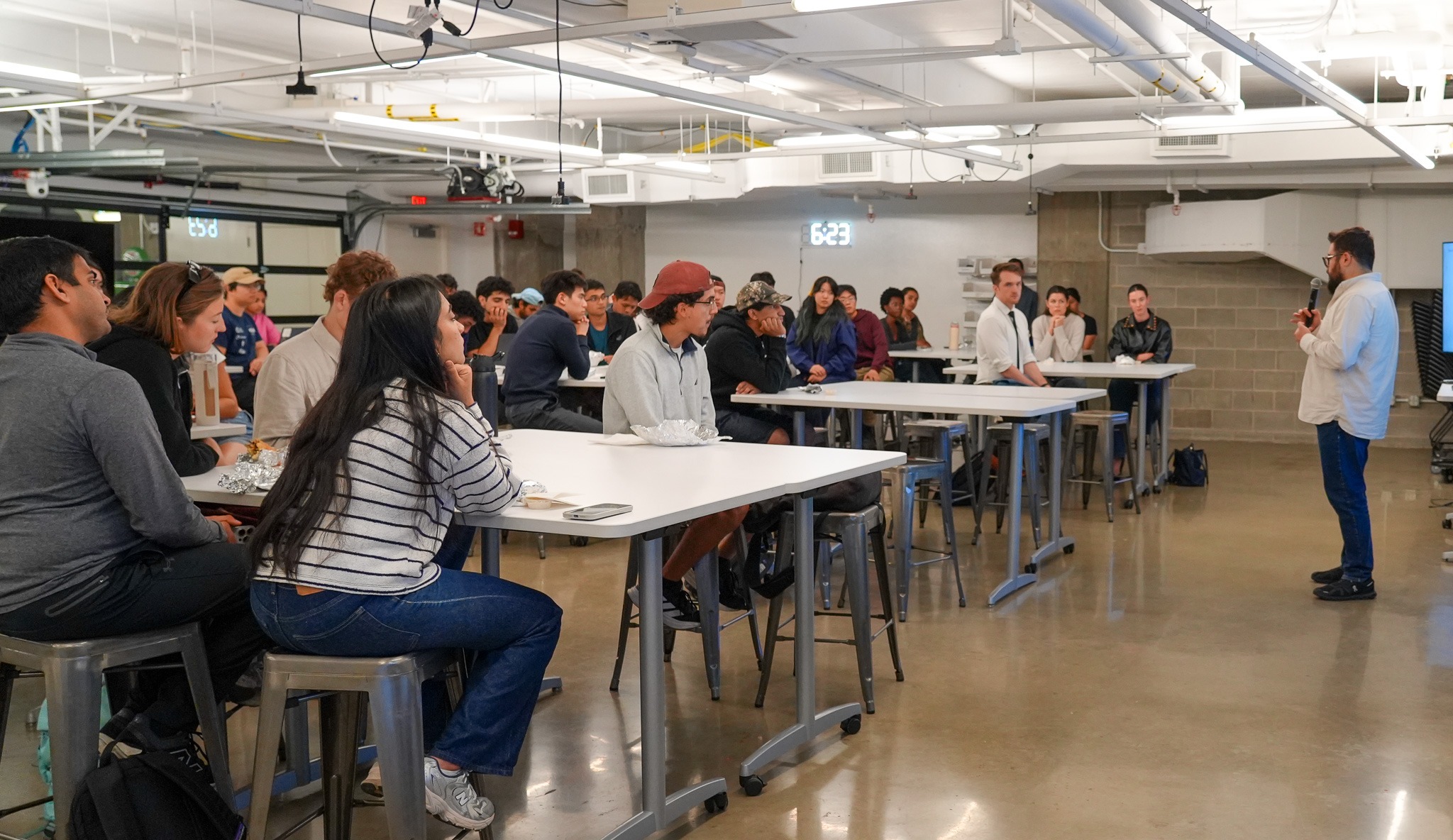
Schuleman’s unique background in insurance law exposed him to the pain points that Qumis confronts, but it also shaped his perspective as a founder.
“A law degree makes you a very structured systems thinker,” Schuleman said. “It brings a certain outlook, rigor and structure to how you approach things that not all founders have.”
Schuleman also provided Residents with guidance on how to approach venture capital funding. Qumis raised $2.2 million in a 2024 pre-seed round with Armory Square Ventures and a $4.3 million seed round led by MTech Capital in 2026. Venture capital is harder to come by in Chicago than in San Francisco or New York, Schuleman said, but the capital infusion is crucial for growth.
As a startup that builds AI workflows, Qumis strives to be AI-native in all aspects of its business. Schuleman even told Residents that he asks applicants what their favorite AI tool is during screener interviews.
“We look for AI vendors and AI processes, and that's enabled us to get to seven figures of revenue with 10 people. That really wasn't possible before. It's an accelerant for everything.”

Allie Deutsch ‘29 is a journalism and political science major from McLean, Virginia. As a student marketing aide, she assists with event coverage and operations for The Garage.

2311 Campus Drive Suite 2300
Evanston, IL 60208
.png)