.jpg)
Savanna Wood knew exactly what she wanted to do when she graduated from college at 19: work in sports.
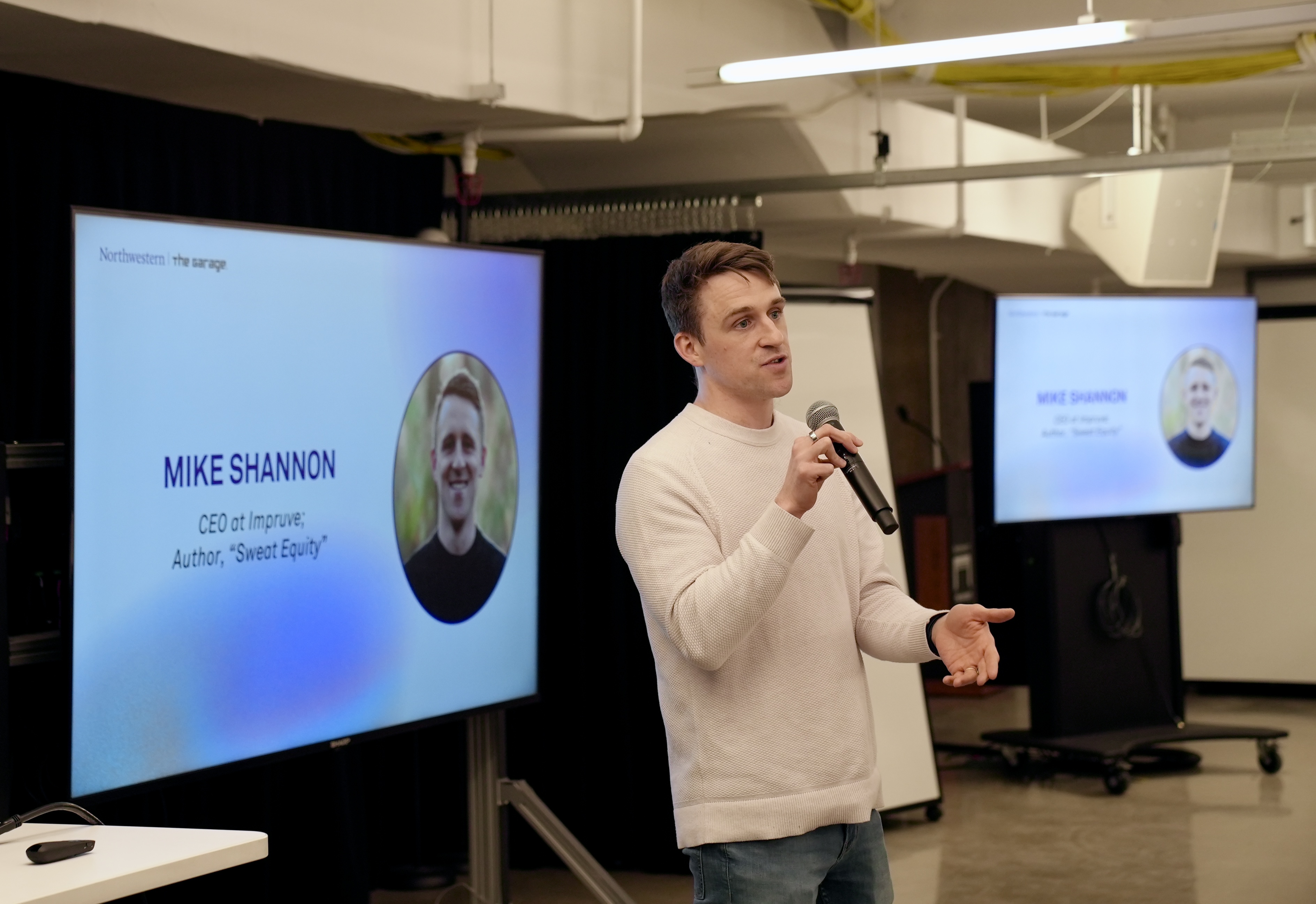
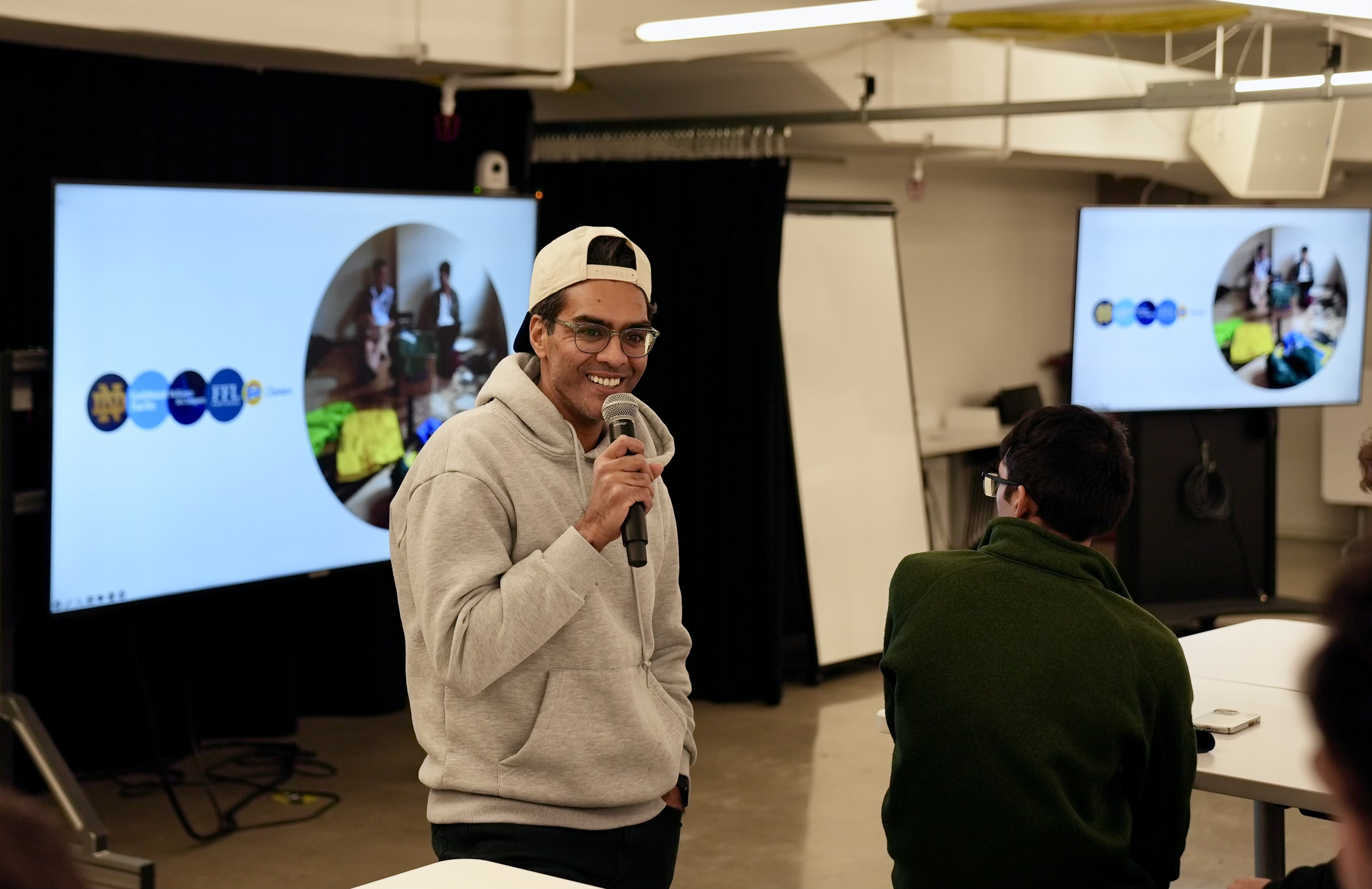
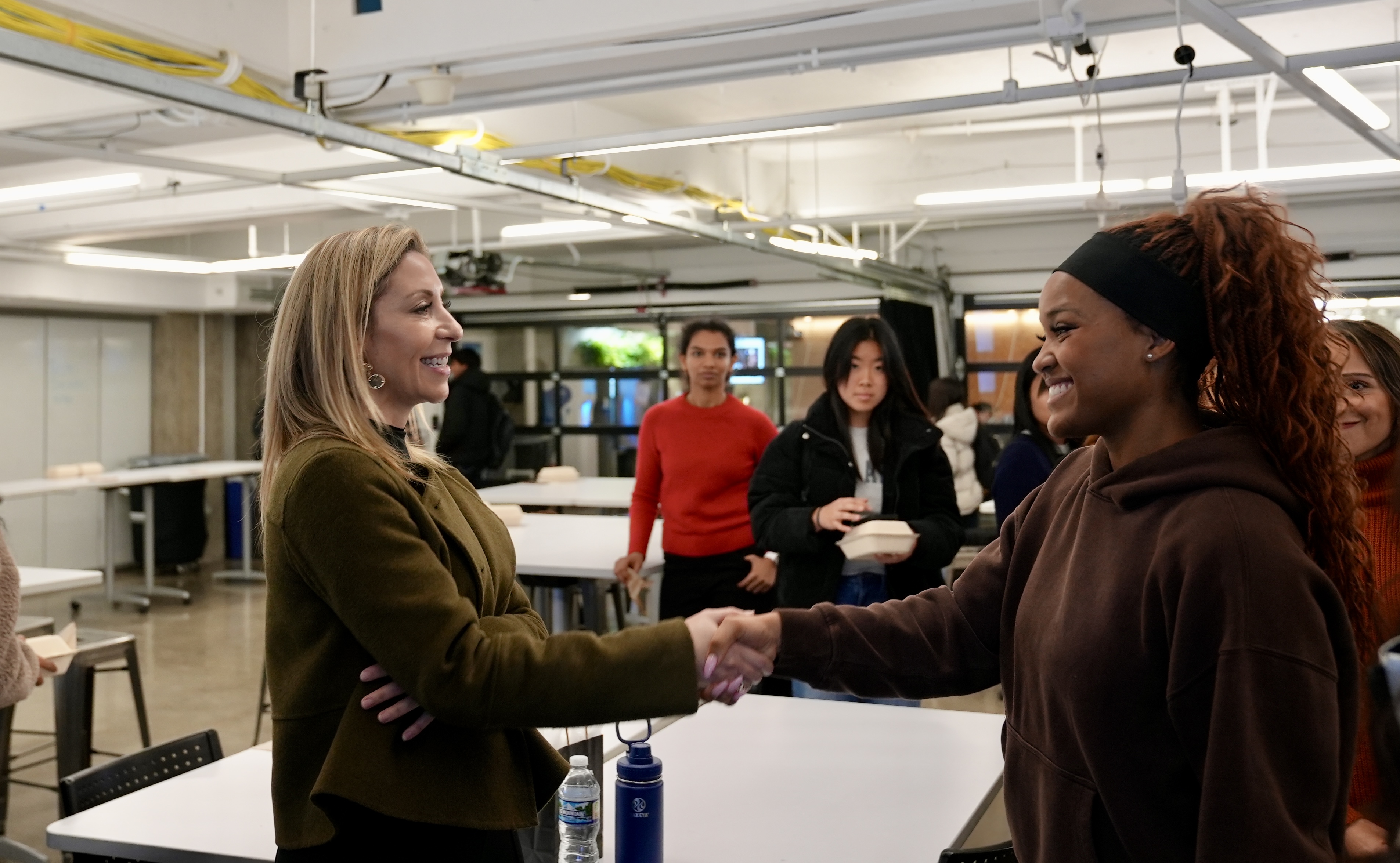
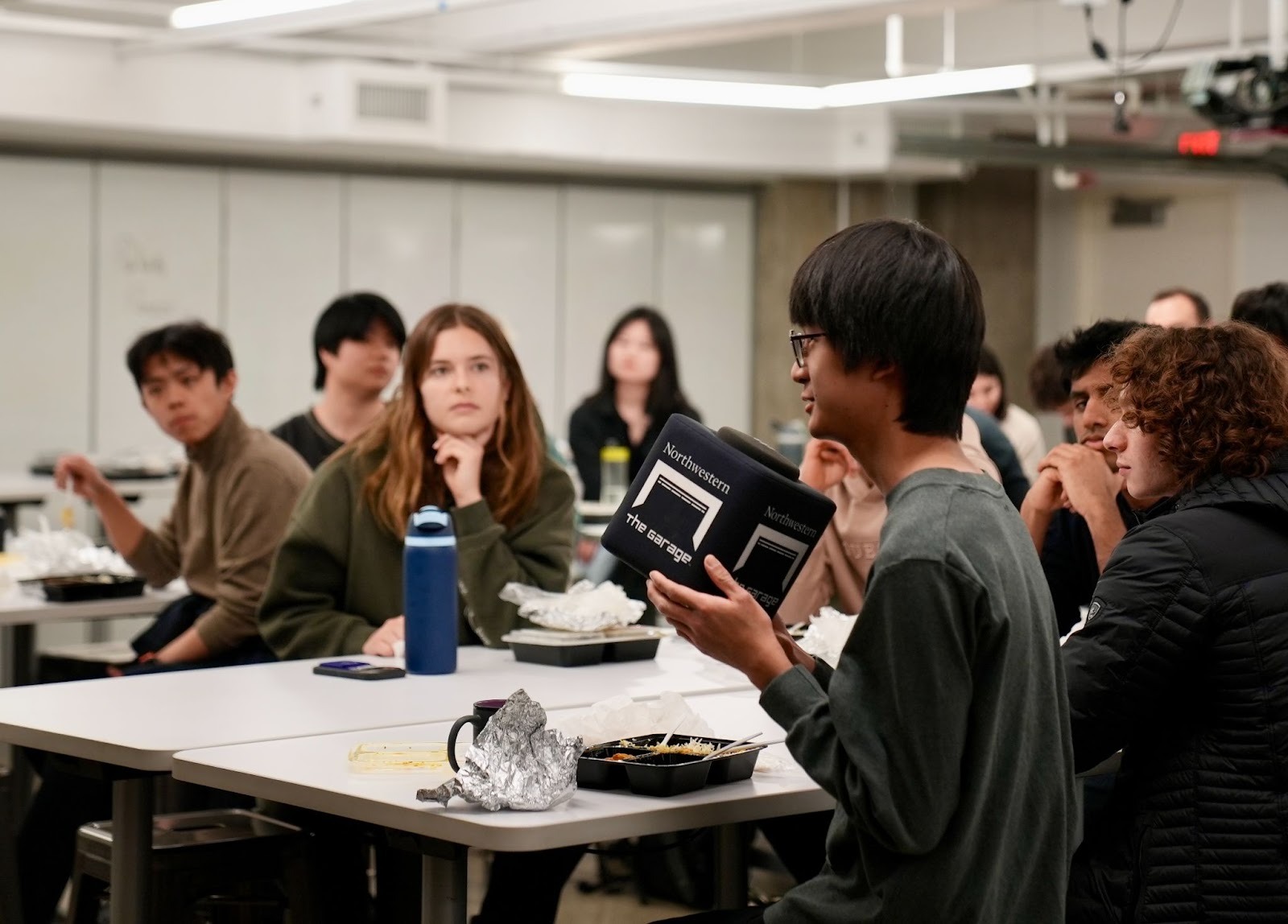
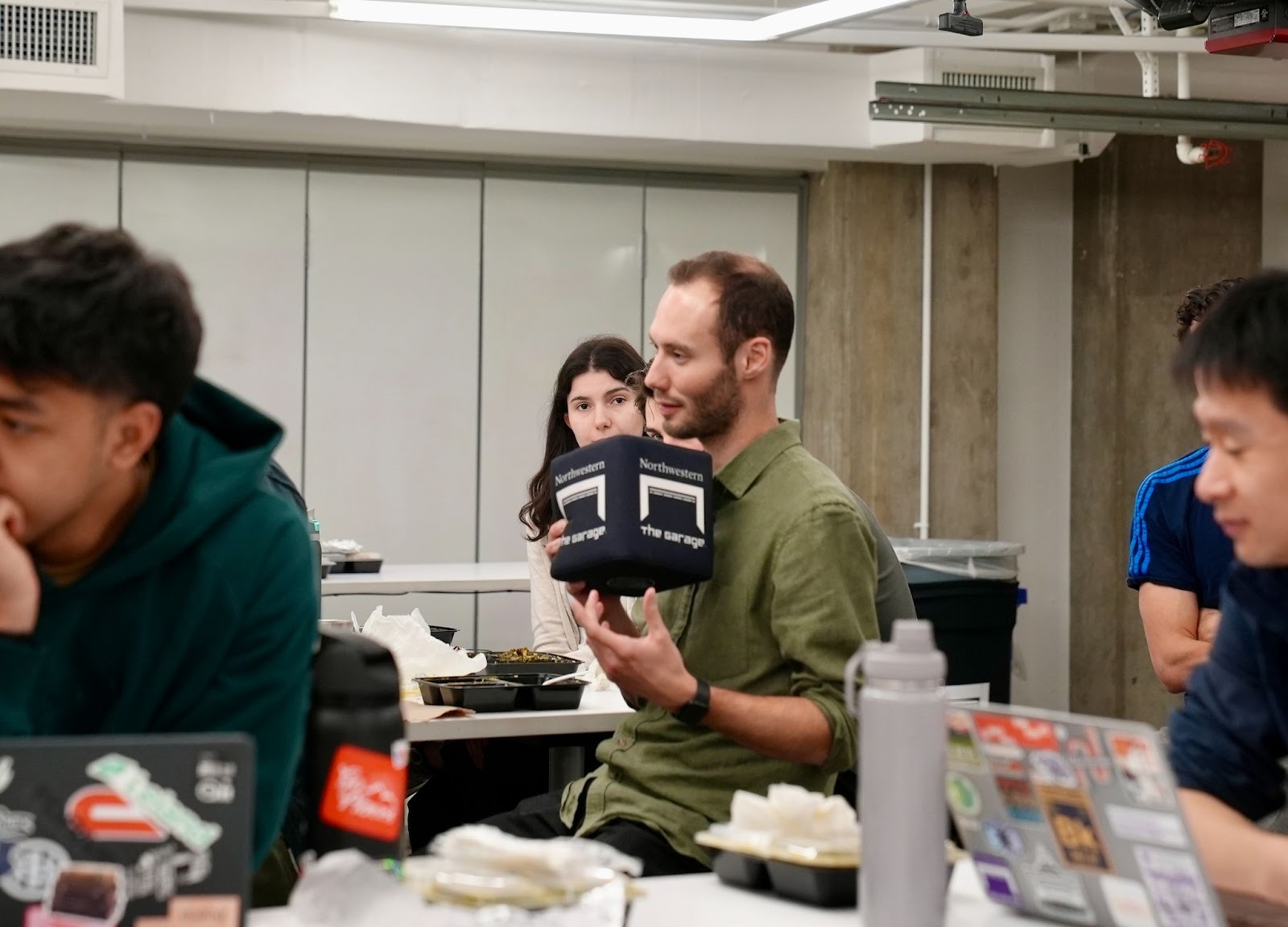
At Family Dinner at The Garage on Wednesday, she showed student founders what it looks like to build an entire career around that clarity – from helping launch social media for the Boston Red Sox to sitting in the C-suite of Northwestern Athletics.
Wood has been at Northwestern for nearly a year, overseeing communications, marketing, digital strategy, branding, broadcast operations, video and creative content, ticket operations and NIL across 21 sports. But her path there was anything but linear.
“I’ve spent my entire career in athletics, all through the lens of digital marketing, branding, and communications,” Wood told Residents. “Where I started, it’s certainly not where I’ve ultimately ended up.”
She began with the Red Sox as platforms like Facebook and Instagram were just emerging in professional sports. She then spent five seasons with the Jacksonville Jaguars, where her mindset sharpened around business fundamentals.
“Everything that matters boils down to revenue — not just in sports, but in any kind of business,” Wood said.
In Jacksonville, she helped build digital and corporate partner strategies that could drive results even when the team was not winning. It was also where she learned that overseeing a team requires a different skill set than execution.
“It’s the most difficult thing to make an adjustment from if you’re a doer,” Wood said. “Early on, I had to develop a philosophy not just in how I was going to work, but also a leadership philosophy.”
Today she manages 28 people at Northwestern and leads with what she calls the three R’s: relationships, reliability, and relatability.
“Reliability is perhaps the most critical one. How can you expect your staff to be reliable if you’re not reliable?”
Her next chapter took her back into college athletics at a moment of transformation. When Name, Image, and Likeness (NIL) policies reshaped the NCAA landscape, student-athletes became able to monetize their personal brands. The industry became more openly commercial, and Wood stepped into a senior role at the University of Miami.
“I accepted that job because I knew it was turning into a business, but that’s also where I got really obsessed with the branding piece,” Wood said.
When Miami transitioned from Nike to Adidas, “the font of Miami went with them,” Wood explained – because Nike owned it.
For years, Miami used a placeholder typeface. Wood helped lead a six-month brand study that resulted in the font now seen across helmets and end zones.
“With the way the world is changing now, as long as you stay in the same recognizable space with your marks, you can shift things around,” Wood explained. “You don’t have to get it perfect the first time.”
At Northwestern, that philosophy translates into consistency. She asked the audience of student founders how many recognized the old wildcat-in-the-N logo, and nearly every hand went up. But, she revealed, it has not been the school’s official mark for more than a decade.
“A big focus of my work since I got here is to redo our licensing guide,” Wood said. “It takes about three years to essentially clear out the market and then reflush it with the things that you want printed.”
With conference media rights negotiations coming in 2031, Wood explained how stakes extend beyond wins and losses.
“You guys might be looking at us and saying, who cares if we stay in the B1G?” Wood asked. “It’s important because it helps put this institution on the map outside of the incredible academics. It keeps us on TV constantly. It adds another level of relevance and notoriety to this institution.”
For the founders in the room, she translated that thinking into startup advice. When asked how to scale a startup’s Instagram account, Wood noted that follower counts are no longer the metric that matters most.
“With Instagram, it’s almost more valuable just to find a way to get people to engage than it is to even get them to follow you,” she explained.
And perfection, she warned, is overrated.
“You just need to start,” Wood said. “Stop worrying about it too much. Trying to get to the perfect strategy for something that you’ve never done before doesn’t always work.”
When asked how she graduated from the University of Florida at only 19, Wood explained that she overloaded credits and took summer classes because she was ready to begin.
On her first day of college, she walked up to a professor and asked where she could work in sports. She was sent to the athletic communications office, and she hasn’t looked back since.
“I just soaked up the exposure because I loved it,” she told Residents. “There is a component of work that you don’t have to be obsessed with, because you should be obsessed with your life. But it sure as heck makes work a lot easier when you really do enjoy it.”

Nadia Bidarian ’26 is a Journalism, Data Science, and Cognitive Science student from Redondo Beach, California. She is a student aide at The Garage who works on alumni programming, events, and other projects for The Garage.

2311 Campus Drive Suite 2300
Evanston, IL 60208
.png)