.jpg)
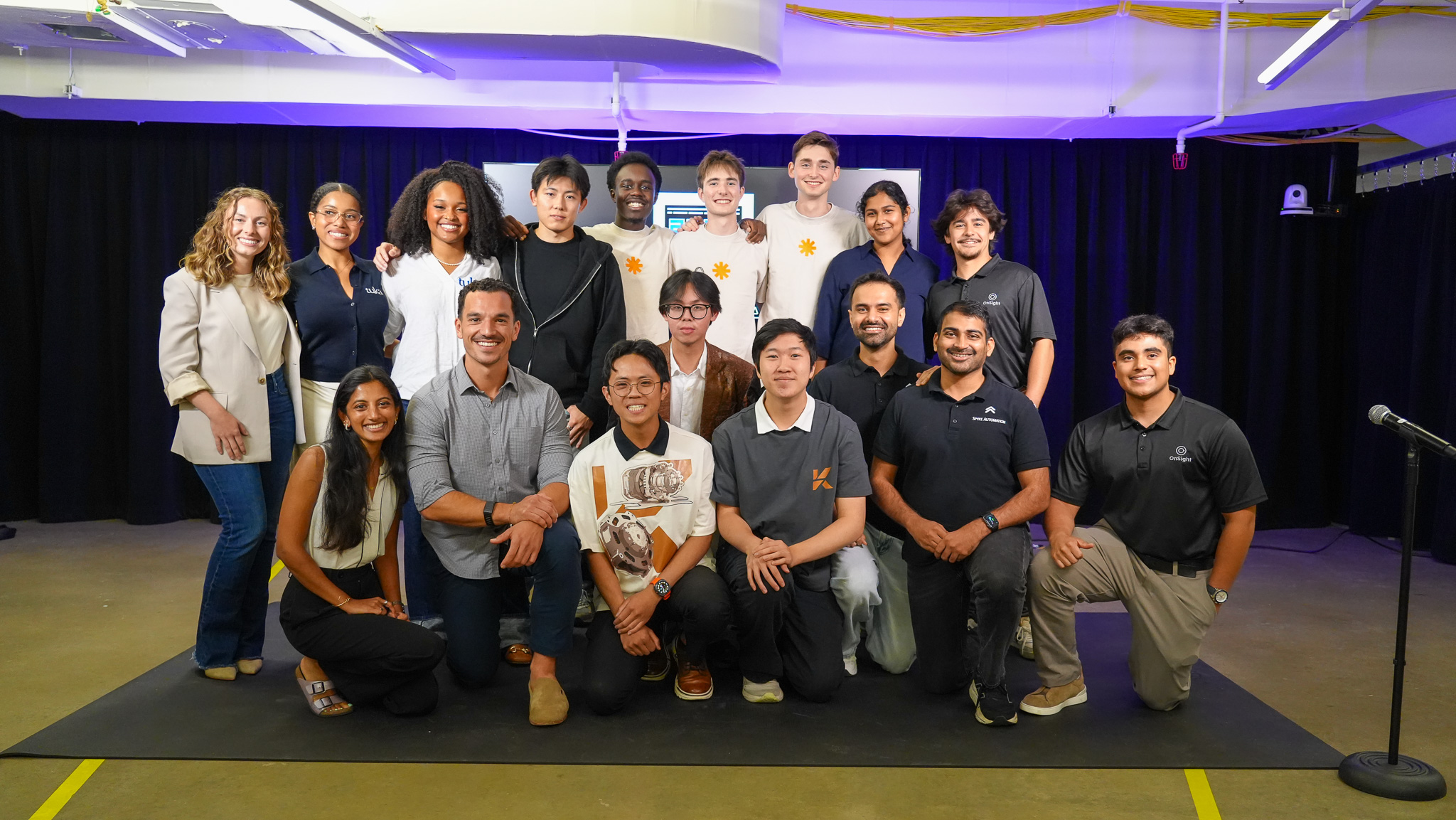
Students gathered at The Garage at Northwestern on Saturday Feb. 28 for a different kind of entrepreneurship event. There were no pitches, no prize money, and no pressure to launch a startup. Instead, the inaugural Northwestern Problem Summit asked students to confront four urgent challenges: circadian rhythm disruption, scientific illiteracy and misinformation, the decline of productive disagreement, and global water insecurity.
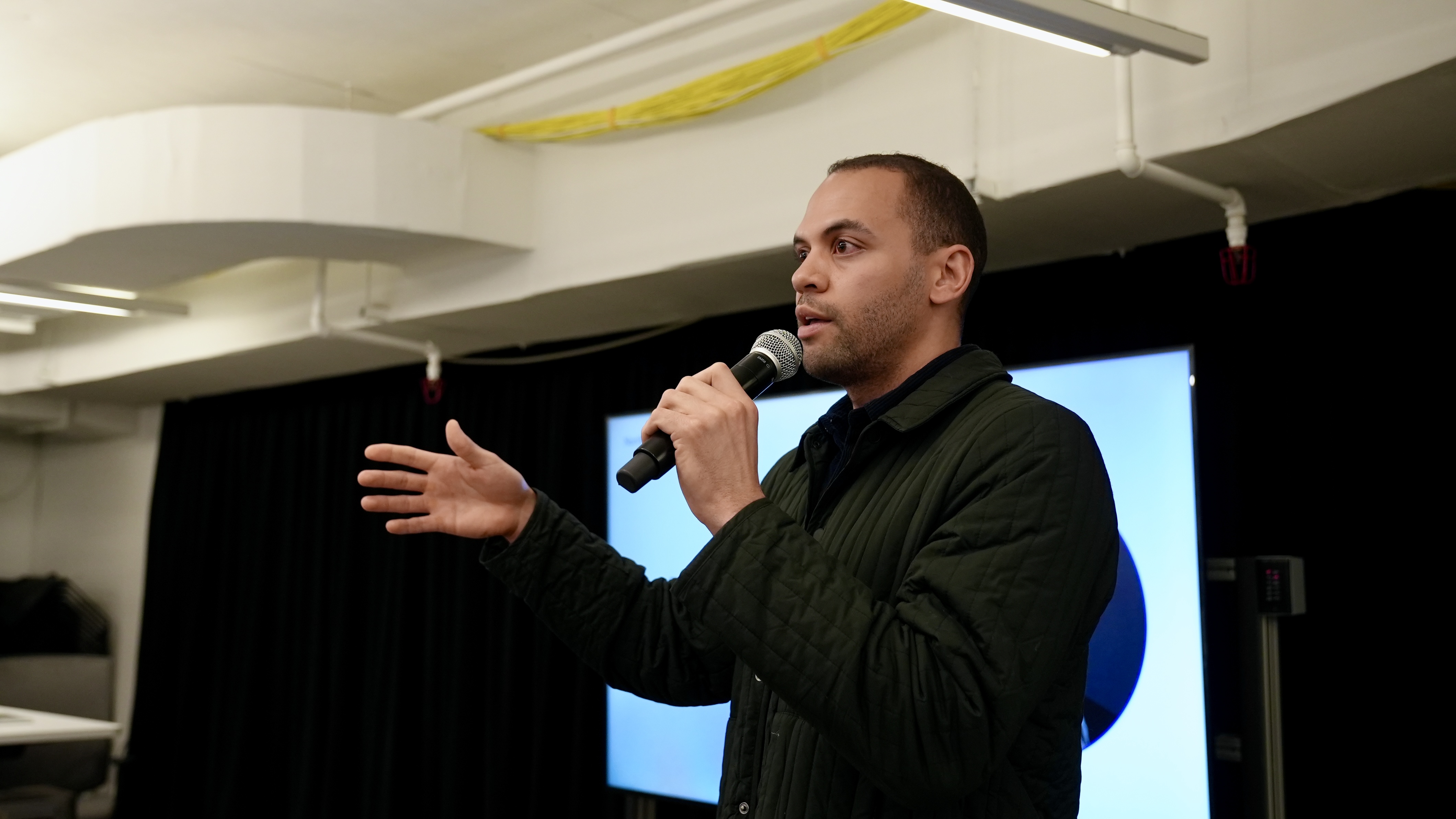
“Great startups don’t come from ideas,” said Mike Raab, executive director at The Garage. “Great startups come from solving big problems.”
Hosted by The Garage, Northwestern’s student entrepreneurship hub, the two-hour summit was designed to encourage student startups to go beyond building solutions to everyday campus inconveniences and tackle complex societal challenges. Four Northwestern faculty and researchers took the floor in succession to share major problems in their industries in the hopes that they would inspire action from Northwestern's ambitious, entrepreneurial students.
Dr. Keith Summa of the Feinberg School of Medicine described the mounting health consequences of circadian rhythm disruption. Exposure to artificial light and irregular sleep schedules are linked to an array of health issues, including cardiovascular disease, metabolic disorders, and gastrointestinal conditions. Despite rapid growth in wearable devices and health technology, no comprehensive system exists to help people monitor and manage their biological rhythms in real time.

From the Medill School of Journalism, Professor Patti Wolter addressed the spread of science misinformation. Through a live quiz on viral health claims, she demonstrated that even high-achieving students struggle to distinguish credible research from misleading content. She challenged attendees to consider how design, technology, and education could strengthen science literacy and build trust in evidence-based information.
Brad Zakarin of the Litowitz Center for Enlightened Disagreement examined what he described as a decline in productive disagreement. The center is piloting programs that use dialogue exercises and interactive activities to teach intellectual humility and constructive debate. Demand for developing these skills from K-12 educators already exceeds the available tools, presenting opportunities for students to build scalable solutions.
Dr. Sera Young, co-director of NU Water, reframed the global water crisis as four interconnected failures: availability, access, safety, and reliability. Her Water Insecurity Experiences (WISE) Scales are used in surveys across 80 countries to measure the lived impacts of water insecurity. She is also developing low-cost biosensors that allow residents to test tap water for lead at home, with data collection underway in Chicago neighborhoods. Young encouraged students to consider how their skills could contribute to solutions that improve access to safe and reliable water worldwide.

After each presentation, students engaged in question-and-answer sessions, pressing speakers on feasibility, clarity, and real-world implementation. After the program ended, many stayed to continue conversations, exchange contact information, and explore potential next steps around each topic. The strong engagement throughout the afternoon illustrated that when it comes to solving global problems, Northwestern students are eager to get started.
The Garage plans to host a larger edition of the Problem Summit in fall 2026, with more speakers, more disciplines, and a broader cross-section of the Northwestern community represented. By placing real-world challenges at the center of the conversation, The Garage aims to shape how the next generation of Northwestern innovators begin.

“The other thing about choosing big problems to solve is that for startups to succeed, you’re going to need motivation, stamina, persistence, and resilience,” said Raab. “Not just when you first start and it’s exciting, but through years of difficulties and setbacks.
“The best source of that energy is a mission. Something you wake up knowing that if you persevere and deliver on it, there will be a big impact.”
The Northwestern Problem Summit was made possible by a generous gift from Valerie (WCAS '85) and Mark Friedman.


2311 Campus Drive Suite 2300
Evanston, IL 60208
.png)